Tailings Management
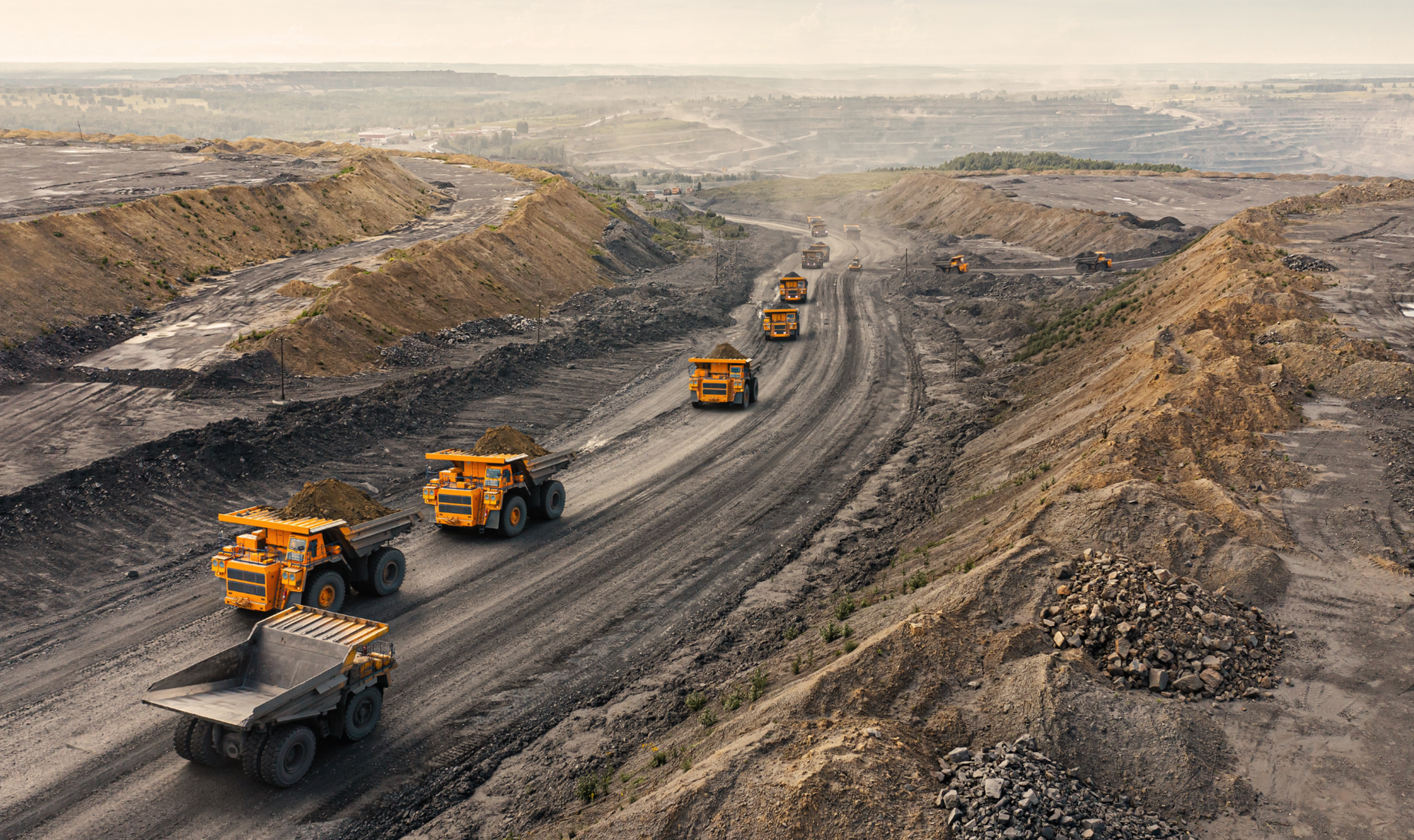
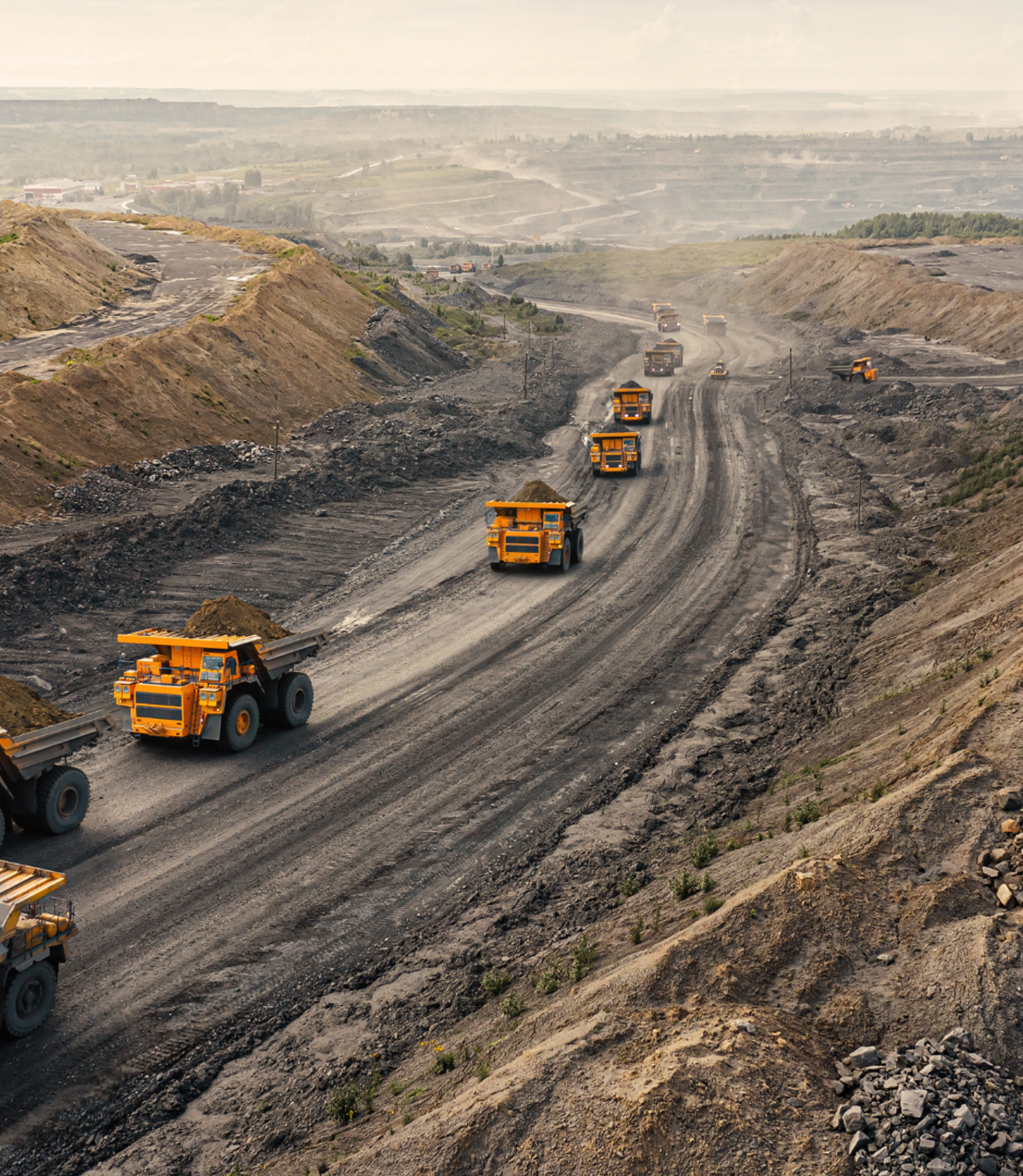
Enhancing tailings management safety
Tailings are the residual materials left after mined iron ore has been processed and the valuable iron extracted. They typically consist of finely ground rock, water, and by-products such as silica, alumina, and residual iron particles.
To prevent these materials from contaminating rivers, groundwater, and surrounding ecosystems, they are stored in specially engineered containment structures called Tailings Storage Facilities (TSFs). These facilities are designed to keep tailings secure and to protect people, wildlife, and water resources.
Historically, most TSFs have stored wet tailings—a slurry of water and fine particles—which pose a higher risk of structural failure and catastrophic flooding. To reduce this risk, the industry is increasingly adopting dry stack tailings, where tailings are dewatered and compacted, making them more stable and significantly less hazardous.
TSF failures can have severe impacts, releasing large volumes of water, causing very significant environmental contamination, property destruction, and potential loss of life. Past failures worldwide have underscored the catastrophic impacts of poor design and oversight. Today, effective tailings management is more critical than ever, driven by the growing scale of mining operations, climate-related challenges, and heightened expectations from regulators, investors, and communities for transparency and safety.
At ArcelorMittal, tailings dam safety and structural integrity are critical and material issues, essential to protecting the safety of our local communities and employees and safeguarding the environment from pollution and flooding. Our aim is to ensure all our TSFs are structurally sound and safe, through rigorous risk assessment, independent audits and reviews benchmarked against international guidelines and comprehensive tailings monitoring procedures and action plans.
ArcelorMittal applies the best industry standards to our tailings facilities to ensure sustainability across our mining practices. Tailings dam safety and structural integrity are critical and material issues.
We have several TSFs, including dry stack and in-pit disposal, at both active and dormant stages.
As part of our ongoing safety programme, tailings specialists are embedded within operations, and all TSFs have emergency response procedures activated by Trigger Action Response Plans (TARPs). We have been reviewing these response plans across all sites to ensure they are aligned with the international best practice standards.
This work is supported by a continuous improvement programme that promotes reduced moisture disposal methodologies, which improve the structural integrity of tailings dams, (e.g. high-density thickened tailings or filtered tailings where appropriate). It also leverages proven new technologies to monitor facilities globally in real time. We have upgraded our internal monitoring infrastructure by deploying iSMART, an internally developed cloud-based TSF data-monitoring system, involving real-time monitoring technologies such as such as piezometers and inclinometers that measure deformation, and remote monitoring technologies like InSAR satellite imaging.
Alignment with international principles
Alignment with international principles
Our Tailings Management System is built on internationally recognised best practices to ensure safety, transparency, and environmental protection. Our governance model is based on the Global Industry Standard on Tailings Management (GISTM) and Mining Association of Canada (MAC) guidelines. Globally, our tailings stewardship programme uses three types of audits, in addition to the local Engineer of Record – third party audits conducted at site level, in-house at corporate level audits, and an Independent Technical Review Board. This process is aligned with the Australian Committee on Large Dams (ANCOLD), MAC, and the Canadian Dam Association (CDA).
We are working on the potential application of non-wet or reduced moisture tailings disposal methodologies such as thickened, paste, dry stack and in-pit tailings options where appropriate. This approach is already in use in Mexico, Brazil and Quebec iron ore mines.
Commitment to community engagement
Commitment to community engagement
Community and stakeholder engagement is an important part of our broader tailings management approach, aligning directly with GISTM Principle #1 relating to Affected Communities. ArcelorMittal’s approach to managing risks for affected communities is anchored in our Human Rights Policy and Local External Stakeholder Engagement Procedure, both of which are mandatory across all operations. Our Human Rights Policy commits us to respect internationally recognised rights, including those outlined in the UN Universal Declaration of Human Rights, ILO conventions, and the UN Guiding Principles on Business and Human Rights. It guides us to identify, prevent, and mitigate potential adverse impacts on people throughout our activities.
Complementing this, our Local External Stakeholder Engagement Procedure mandates inclusive and transparent dialogue with local communities, enabling us to understand concerns, incorporate feedback and build trust. Together, these frameworks form a critical part of our risk management process, helping us safeguard community well-being and uphold our commitment to responsible and sustainable operations.