Environmental management


Protecting the environment and minimising our industrial impacts are integral to our responsibility as a global steel and mining company.
Our activities have the potential to affect air, water, land, ecosystems and surrounding communities, making effective environmental management essential to maintaining our licence to operate, meeting regulatory expectations and supporting long-term business resilience.
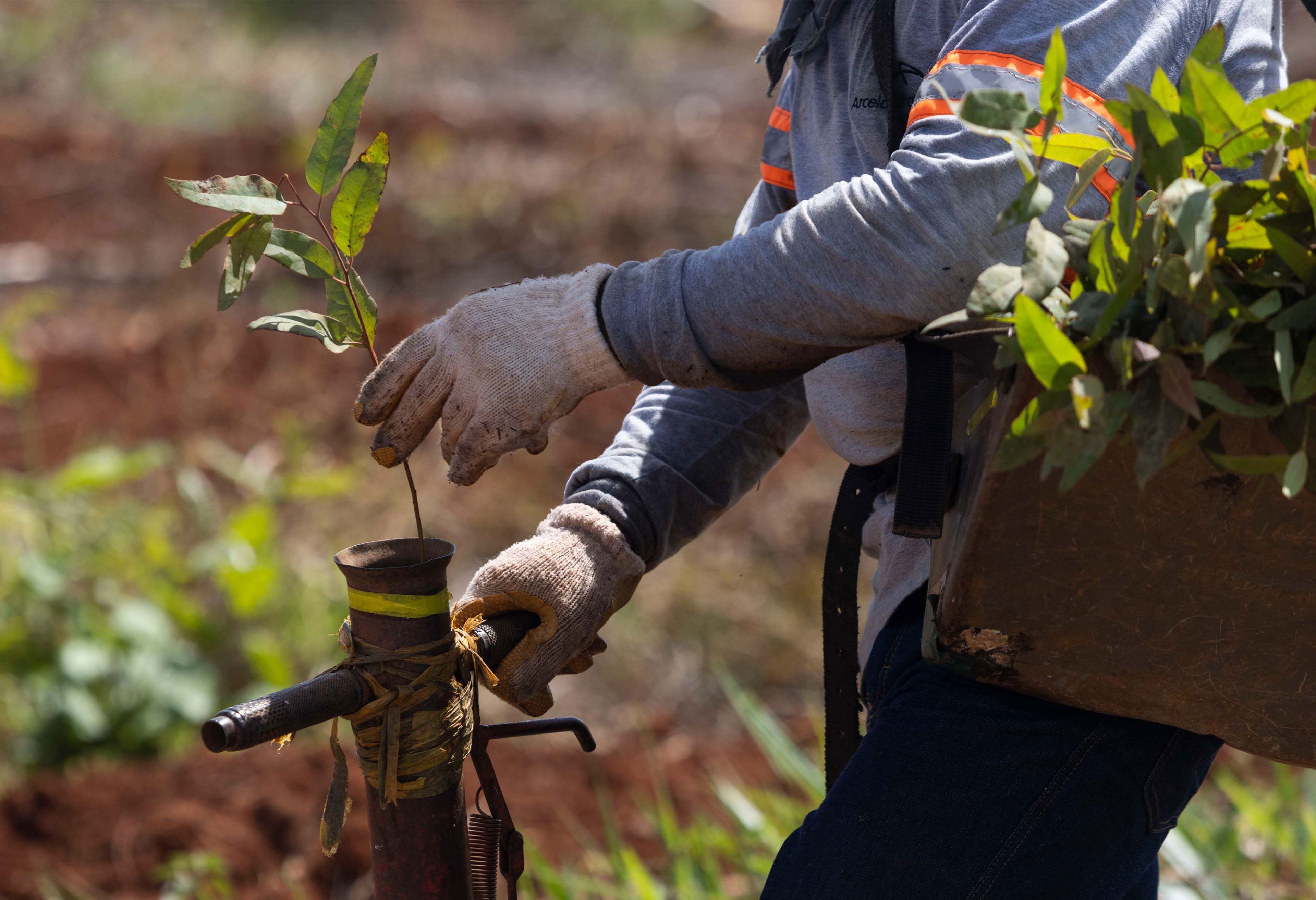
Reducing impacts on air, water and land
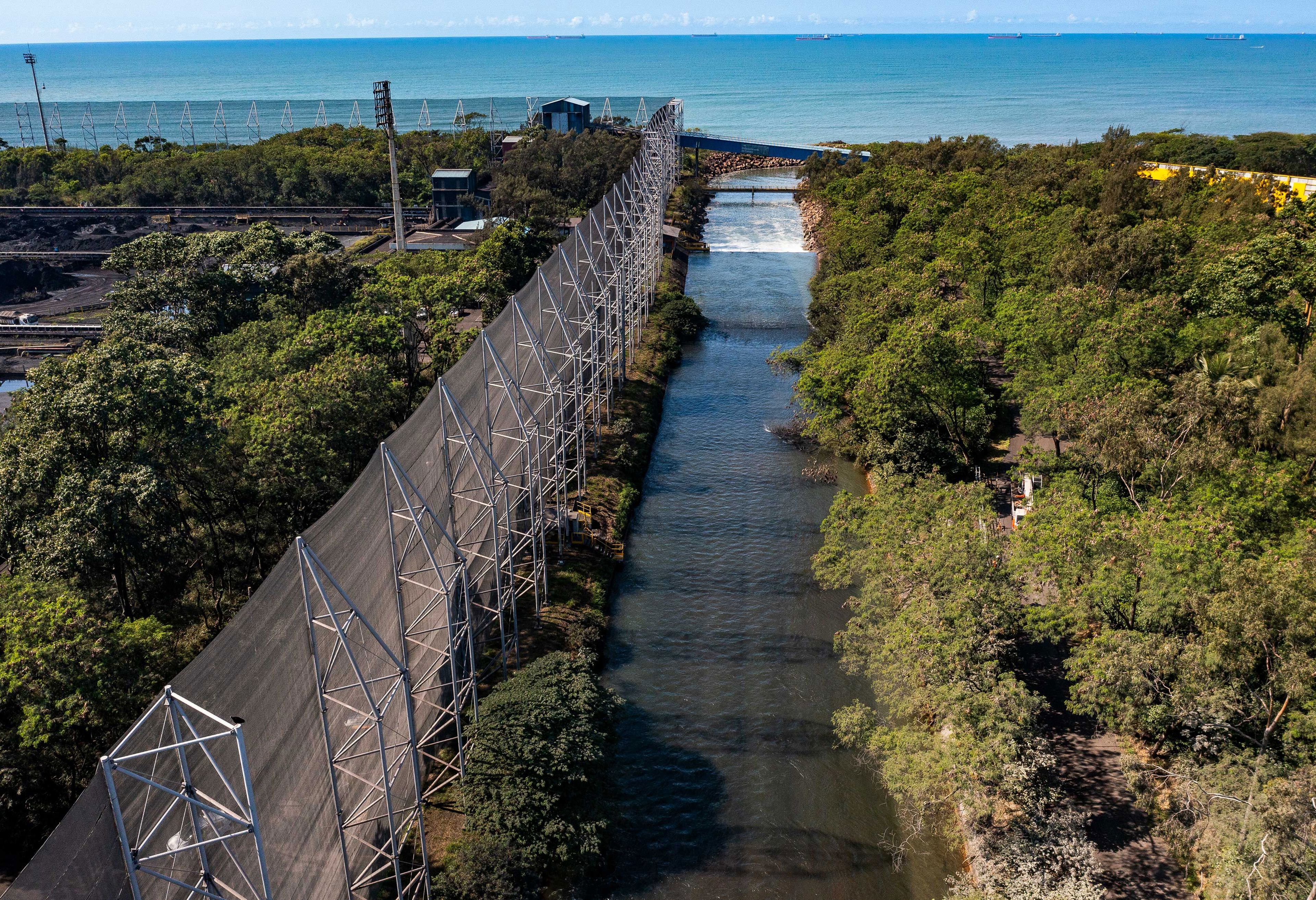
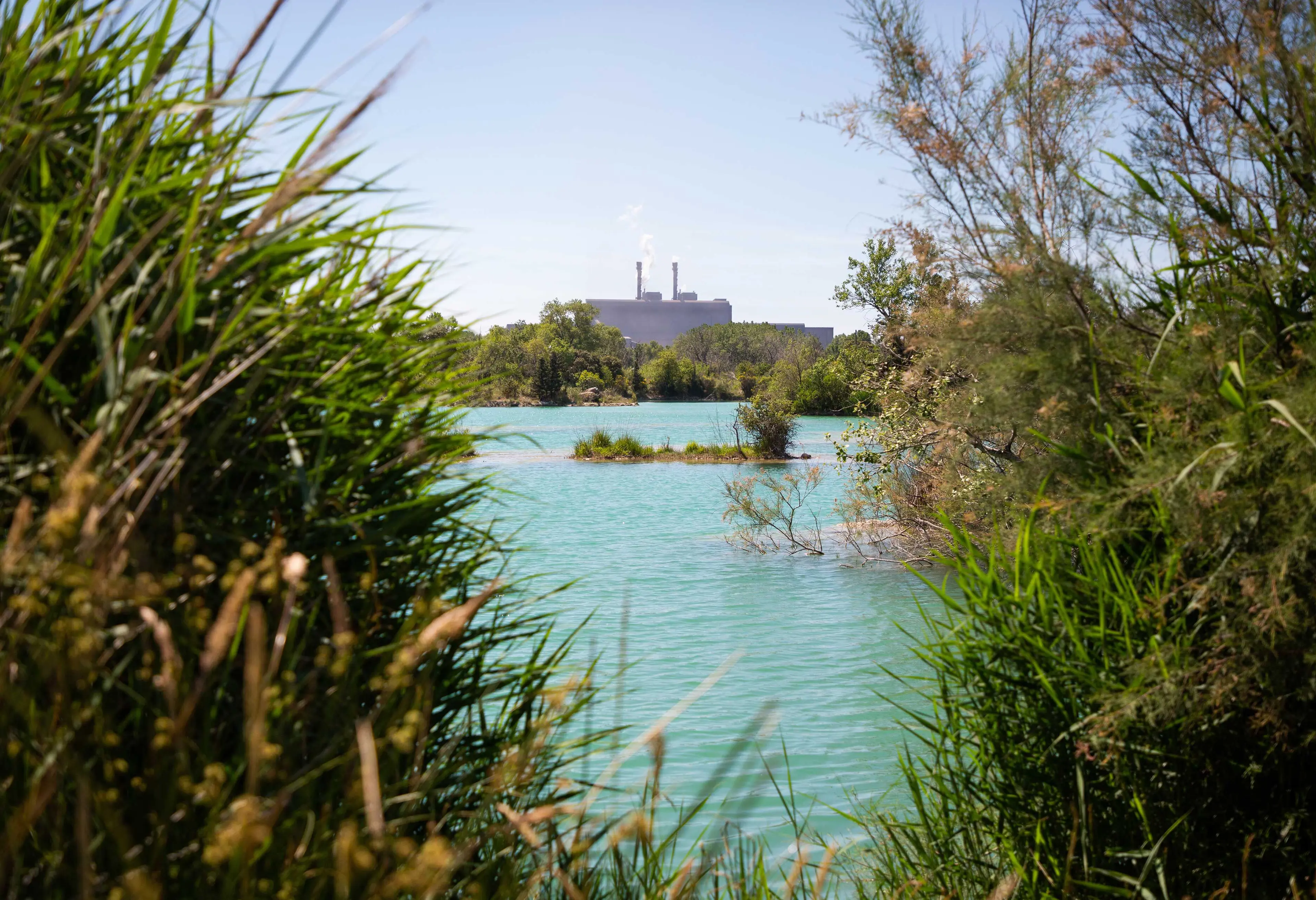
Reducing impacts on air, water and land is a key environmental priority for us, driven by our commitments to responsible, sustainable environmental management, community expectations and regulatory requirements.
This includes a major focus on reducing dust, Nox and Sox emissions from our operations, reducing water use and protecting water quality, and minimising our use of and impacts on land.
One of our material issues is tailings management from our mining operations. Responsible tailings management is a cornerstone of our safety, sustainability, and transparency values, aimed at protecting people, our local communities, the environment, and the integrity of our operations. Our tailings strategy is summarised in our mining section here.
We conduct environmental impact assessments for major projects in line with international standards, ensuring that potential impacts on air, water and land are identified, reduced and mitigated at an early stage. Increased automatization of environmental data collection and strengthened analysis is supporting this positive trend.
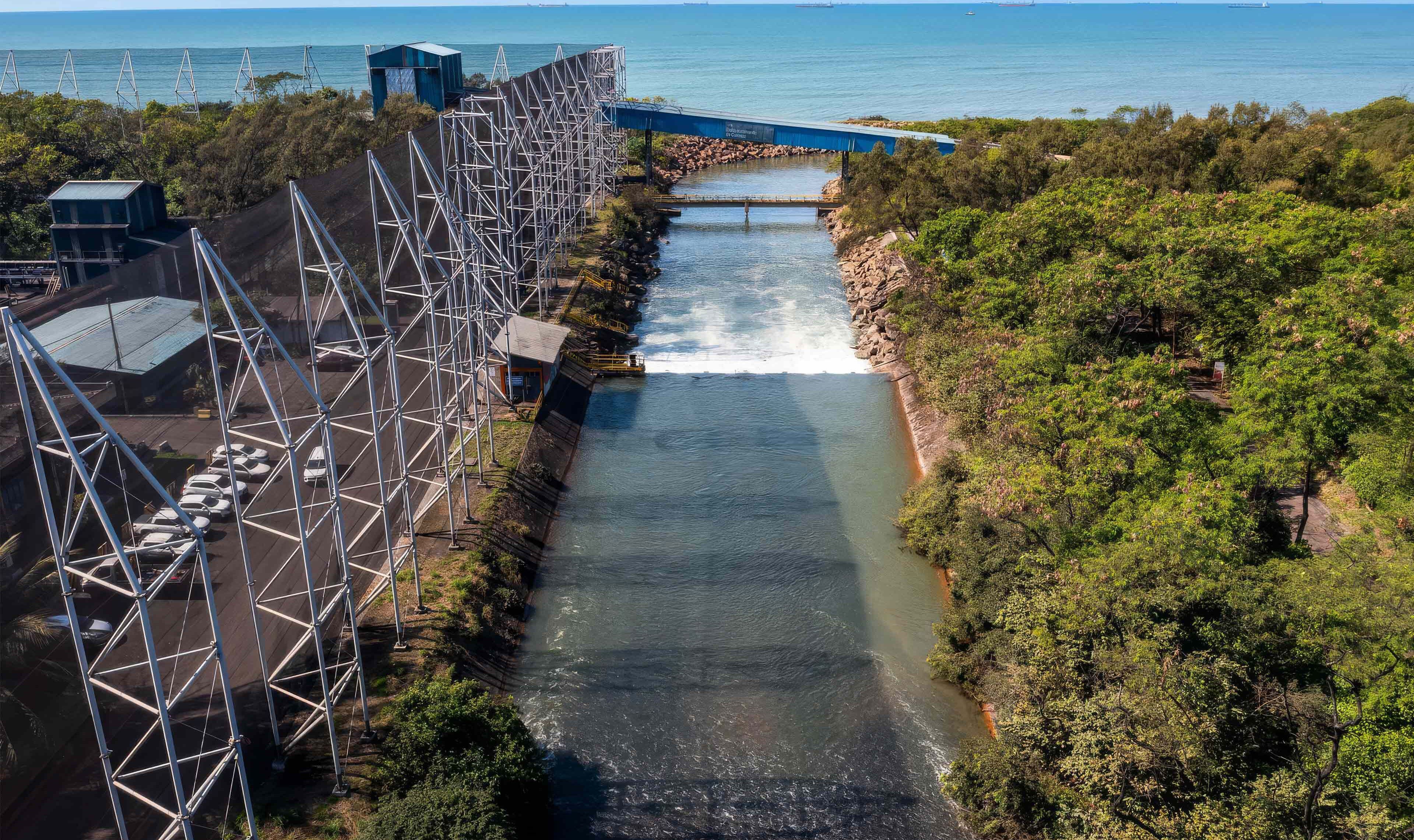
Desalination work in Brazil
Protecting biodiversity and ecosystems
We seek to be a responsible steward of the land and ecosystems around our operations. Protecting biodiversity and ecosystems supports the world’s natural habitats and species, which in turn provide essential services to communities and industries. Their status and protection is closely inter-linked with climate, air quality, land-use change, and water use. Protecting and strengthening biodiversity is an increasingly important priority for ArcelorMittal.
We have integrated the Taskforce on Nature-related Financial Disclosures (TNFD) recommendations into our environmental assessments. Using the LEAP (Locate, Evaluate, Assess, Prepare) methodology, we have prioritised key sites for attention and completed detailed assessments at two pilot locations—a steelmaking plant and a mining operation. These pilots identified ecosystem classifications, biodiversity-sensitive areas, and dependencies such as water abstraction, helping us understand risks and opportunities for onward management.
While none of our priority sites are located directly within biodiversity-sensitive areas, many are within 5 km of such zones. Where primary data has been incomplete, we have used global datasets such as the Integrated Biodiversity Assessment Tool (IBAT) through our membership of the UNEP Proteus Partnership.
Our commitment is reinforced through leading standards such as ResponsibleSteel™ and the Forest Stewardship Council (FSC), which require key biodiversity management measures as part of their requirements.
Looking ahead, we intend to develop a high-level biodiversity roadmap for priority locations, leveraging good practices within and outside the group to harmonise our approach. While downstream impacts are limited, our raw material value chain -particularly iron ore mining - has greater biodiversity relevance. Insights from our own operations will guide engagement with external suppliers on this critical topic.
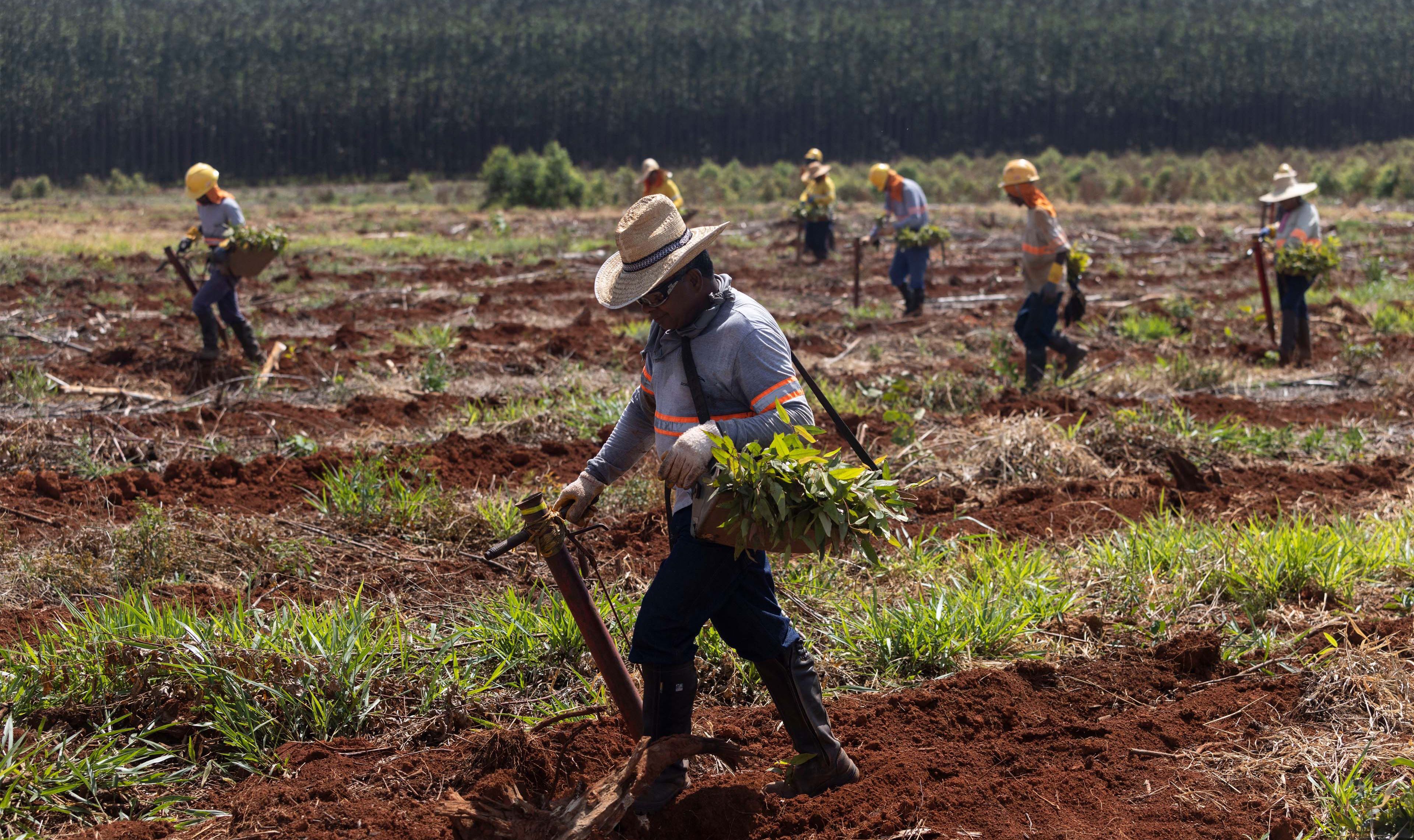
Building on our circular economy commitments
The circularity of steel is already heavily embedded in our business model. Steel as a commodity is endlessly recyclable and its recycling rates are amongst the highest of materials. As part of our wider environmental commitments, our stakeholders want to see reduced impacts from steelmaking and its supply chain, and at the same time, we have an inherent business interest and opportunity in producing steel more efficiently, with less virgin inputs and less generated waste.
Our principal approach to circularity as a business is to address the three Rs of Reduce, Reuse and Recycle:
Reduce: We aim to use fewer raw materials, like iron ore, by making our production processes more efficient and by focusing more on strong, long‑lasting steels. This helps lower the environmental impact of each tonne of steel we produce, while still meeting customer and market needs.
Reuse: We are increasingly designing and producing our steel products to be reused, and our by-products, such as dust, slag and mine tailings, also to be reused in alternative productive applications, such as construction materials or for infrastructure.
Recycle: We are investing in securing more waste, scrap steel to minimise primary ore use, and to feed renewable energy-fed EAF plants; and seeking to collaborate with customers on circular business models, such as recycling our automotive products at their end-of-life.
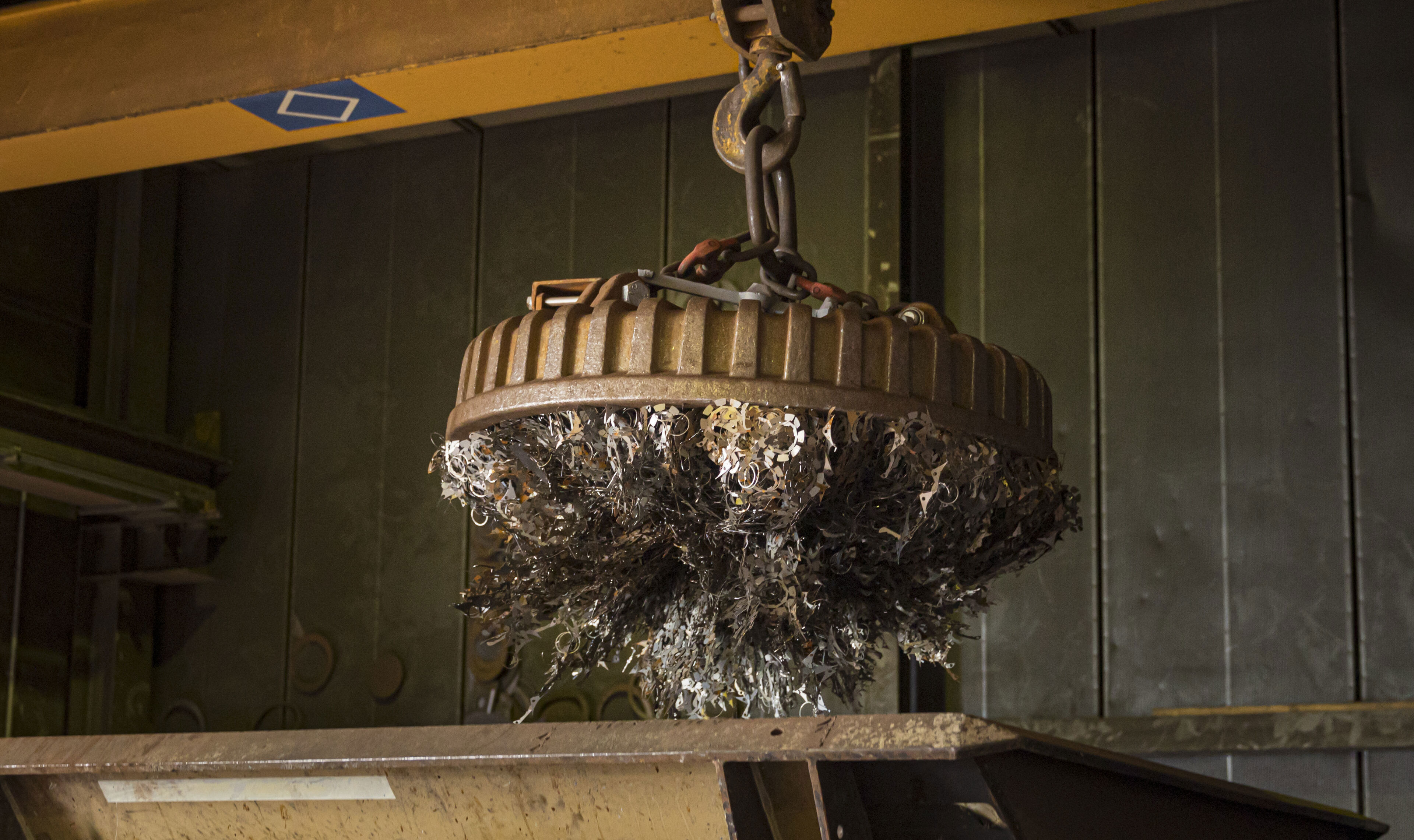
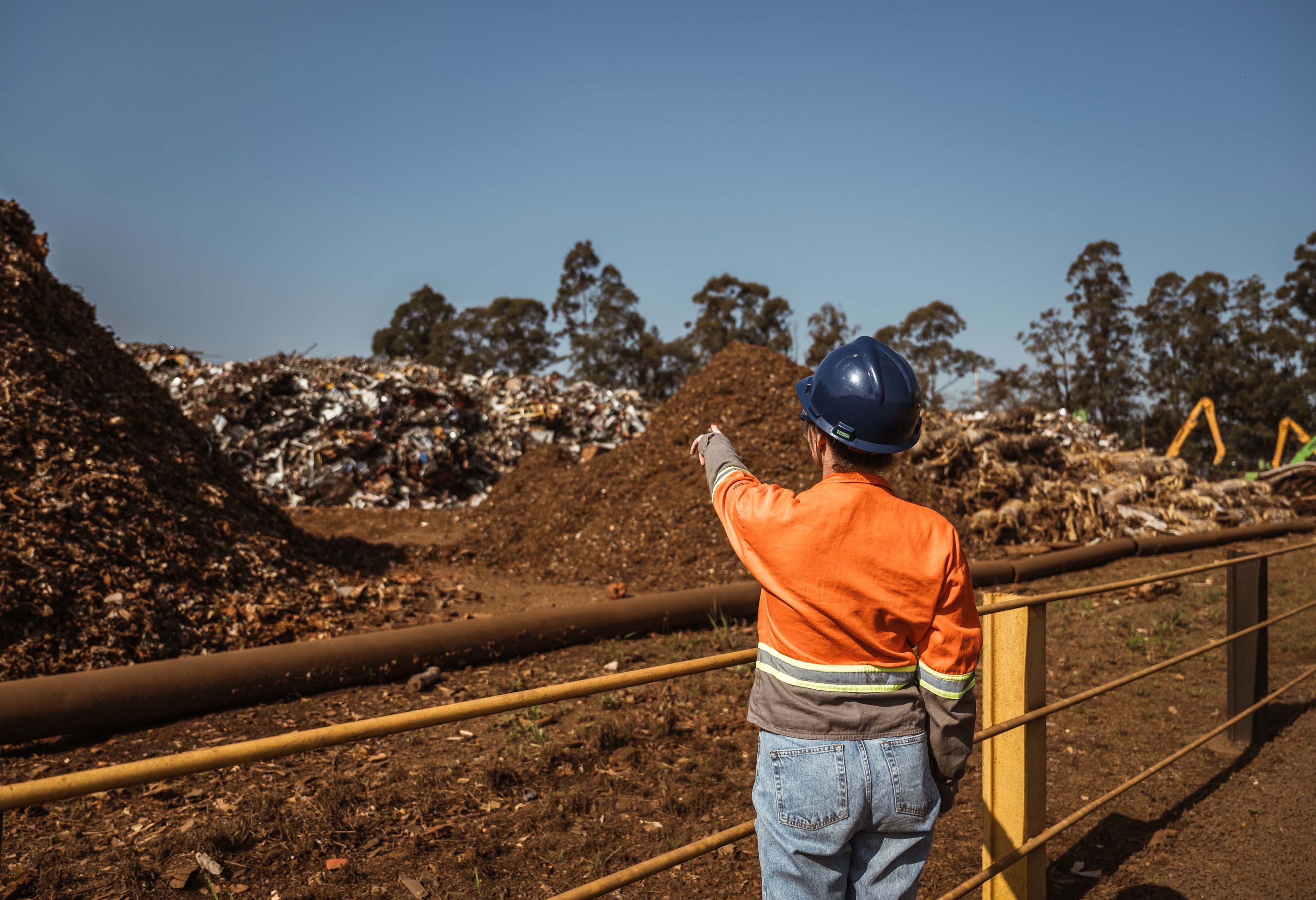
Scrap steel being recycled
Framework of international laws, standards and engagement
Governance of our environmental approach and standards is laid down in our Environmental Policy. This sets out a robust framework underpinned by evidence-based decision-making, and continuous improvement across our global operations. It is designed to ensure compliance with evolving regulatory frameworks, including international standards such as ISO 14001 and ResponsibleSteel™. We have also put considerable effort into strengthening site-level accountability through enhanced monitoring, internal controls, and digital tools. The policy content is currently being updated to adjust to the upcoming regulatory frameworks, among others, the Corporate Sustainability Reporting Directive (CSRD).
Oversight on environmental topics sits within the existing governance structure. Our Sustainability Committee review strategy and progress, supported by the executive-level Sustainable Development Panel. Implementation remains the responsibility of local CEOs in line with operational accountability. Transparency and stakeholder engagement are integral to our approach, encouraging open dialogue with our local communities, regulators and partners, to collaborate on solutions that protect shared natural resources.