ArcelorMittal’s 2025 Sustainability Report sets out the progress made in advancing our long term commitment to safe, lower carbon and responsible steelmaking.
The 2025 report follows the EU Non-Financial Reporting Directive and reflects key frameworks including IFRS, GRI, SASB, the UN Global Compact and the UN Sustainable Development Goals.
The report highlights progress in safety, climate action, innovation and environmental performance, and sets out an updated decarbonisation pathway in response to changing market and policy conditions.
In July this year ArcelorMittal will celebrate its 20th anniversary. Much has changed over the past two decades but what we can say with confidence is that steel has and will remain a vital material for our world, even as how it is made, where it is made and how much of it is consumed continues to evolve.
“Today our two most material sustainability issues are safety and climate. Safety is a non negotiable, core value at ArcelorMittal. In 2025, all the safety KPIs we track improved compared with the previous year, reflecting clearer leadership expectations, more uniform risk management practices and the continued expansion of process safety work across higher risk installations. While this progress is encouraging, the nature of our operations means a strong culture of continuous vigilance, disciplined execution and relentless focus on risk reduction remains essential.
“Our ambition to achieve net zero by 2050 remains in place, even as the realities of the energy transition have proved far less straightforward than initially foreseen. Concerns around competitiveness, re industrialisation, inflation and energy security have moved to the centre of the debate, leading us to revise our 2030 emissions reduction expectations. We are, however, looking at the energy transition holistically, seeking to contribute and create value not only through decarbonizing our own operations, but also providing materials and solutions for other sectors and expanding into new business areas such as renewable energy. There is real progress to report across all three areas, including 2.8GW (equity stake) of renewable energy projects commissioned or under development and major investments such as the Dunkirk electric arc furnace now confirmed.
“Supporting these initiatives is our focus on innovation, which is core to our purpose to create smarter steels for people and planet. We are increasingly harnessing AI as a platform for innovation that enables new products, new processes, and new ways of solving complex problems. In 2025, we moved from standalone tools to integrated systems where AI supports enhanced safety performance, improves uptime predictability, manages product quality and strengthens operational resilience. The potential for transformative change is enormous and we are aware we are only at the beginning.
“Ultimately, sustainability for ArcelorMittal is about running a good business - managing our social and environmental impact responsibly, acting with integrity and creating long term value for the communities and economies we are part of. Trends may shift, but sustainability remains central to how we lead, how we invest and how we create value for the future.”
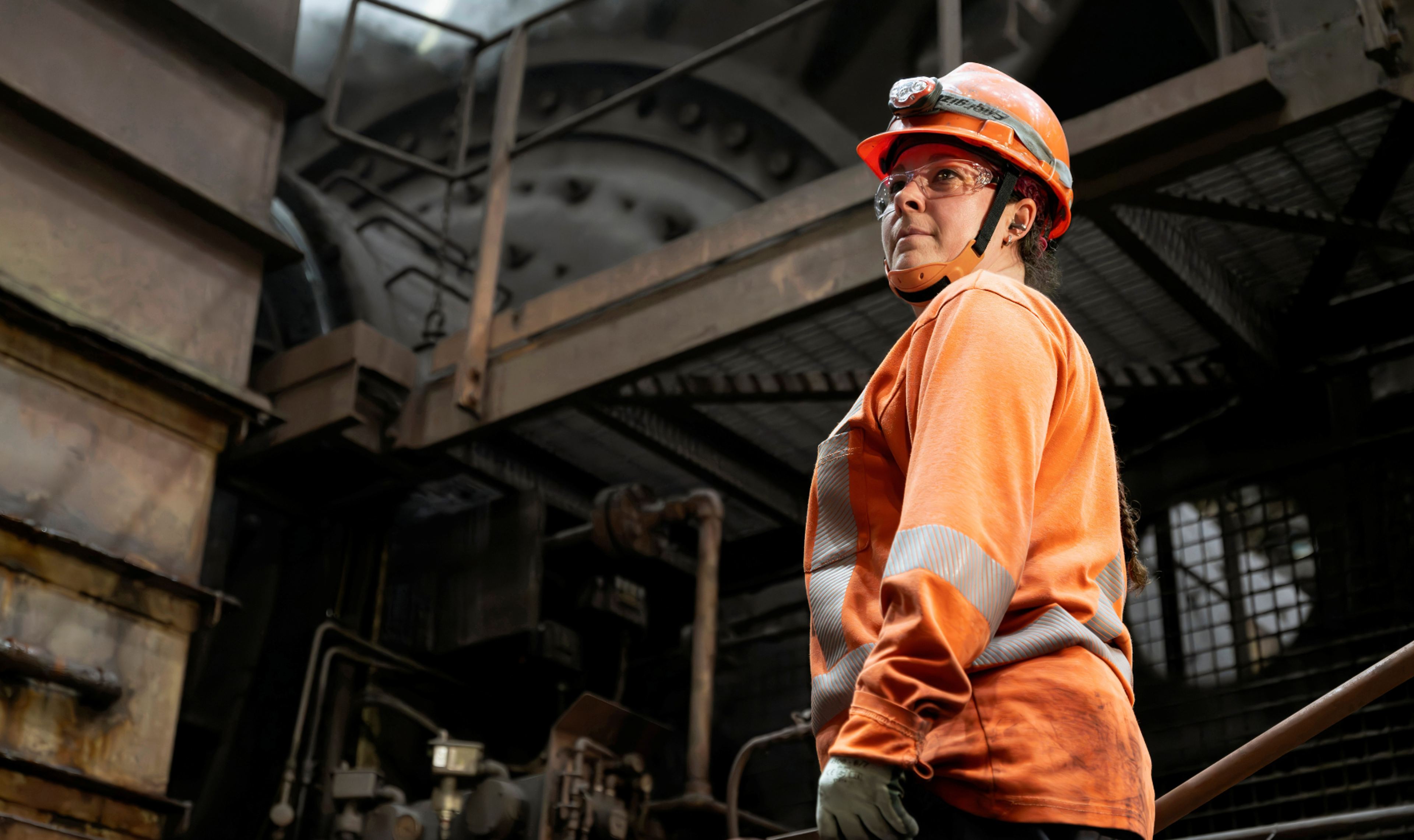
In the first full year of its three year safety transformation programme, ArcelorMittal recorded significant improvement in key safety indicators, including a more than 50% reduction in its fatality frequency rate (FFR) year on year (the lowest FFR in the Company’s history) and a 7% reduction in its lost time injury frequency rate. Over 130 safety roadmaps containing more than 3,000 targeted actions are now being deployed globally as part of a unified approach to building “One Safety Culture” in support of the Company’s drive towards being a zero-fatality and zero-serious injury business.
Climate action and the energy transition: disciplined progress on emissions reduction; strategic focus on maximising value from opportunities more broadly related to the energy transition
Open Accordion item
The report confirms that ArcelorMittal has reduced its absolute Scope 1 and 2 emissions by 47.7% since 2018 (on an absolute basis, including portfolio changes), with a 2025 group carbon intensity of 1.79tCO₂e per tonne of steel produced. Based on investments already committed and current market and policy conditions, the Company expects to achieve up to a 10% reduction in carbon intensity by 2030 (vs. 2018) and maintains its ambition of achieving net zero emissions by 2050.
A major recent highlight was the advancement of the €1.3bn transformation project at ArcelorMittal Dunkirk, which will replace one blast furnace with a 2 million tonne electric arc furnace (EAF) and is expected to cut the site’s emissions by approximately 25%. The project is supported by funding from the French government, competitive low carbon power secured through a long term contract with EDF and is enabled by a strengthened European policy environment. The Company now expects 5.4 million tonnes of additional EAF capacity to be in operation globally by 2030.
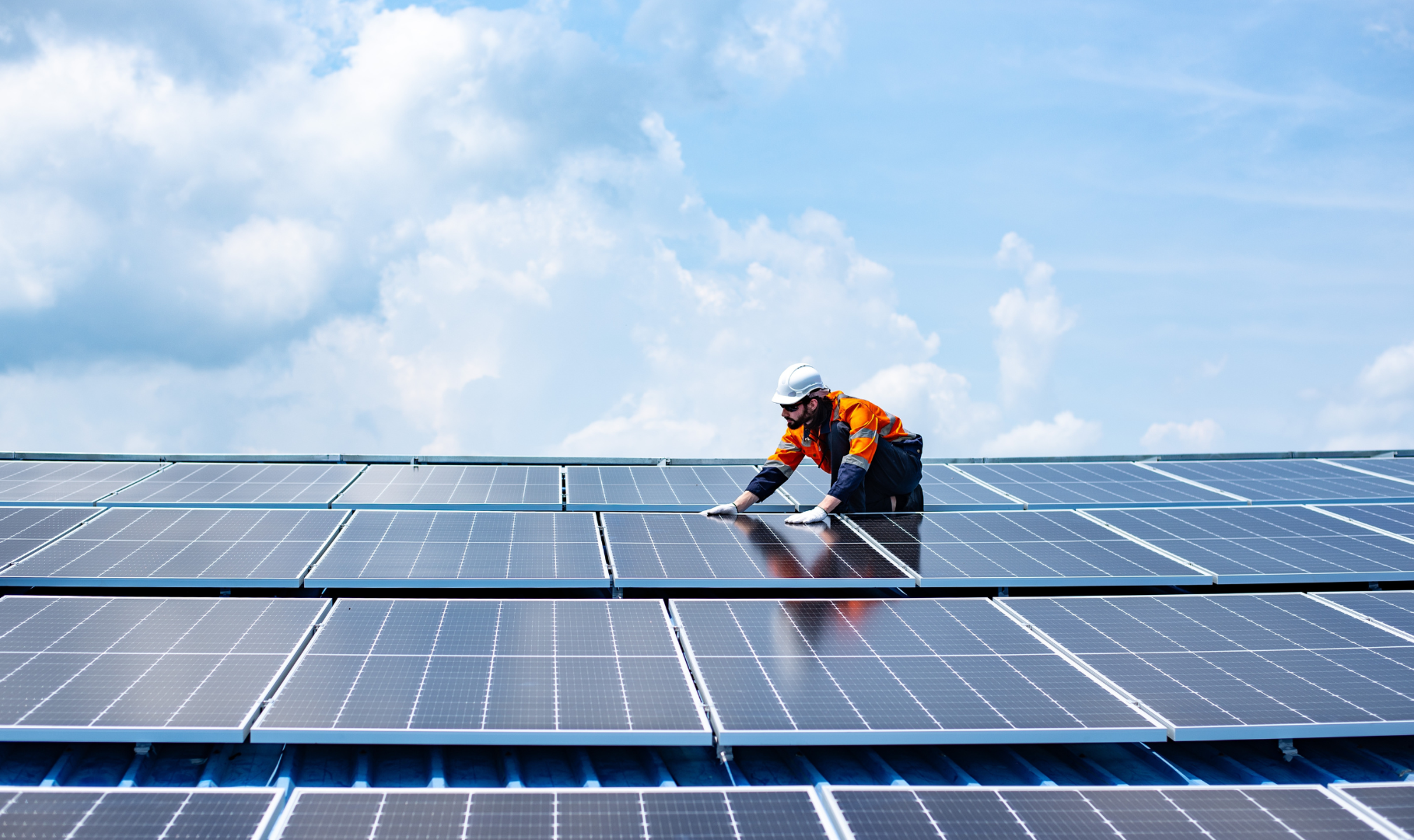
2025 also saw ArcelorMittal further expand its renewable energy portfolio, with 1.9GW (1.6GW on an equity basis) of solar, wind and hybrid capacity now commissioned across India, Brazil and Argentina, and a further 1.4GW (1.2GW on an equity basis) under development for commissioning by 2028. These projects are designed to provide competitively priced low carbon electricity to our steelmaking sites and joint ventures, reducing energy costs and enabling near term emissions reductions.
ArcelorMittal’s investments in renewable energy is an example of how the Company is reframing the way it is taking strategic decisions to reduce risks and capture opportunities from new value pools emerging from the energy transition. The Company’s actions are now structured across three themes: renewable energy; materials and solutions; and the transformation of our operations. Across these three focus areas, revenues from renewables, electrical steels, selected EAF/DRI production, and low‑carbon building panels represented 13% of total company revenues in 2025[1].
[1]For EAF/DRI production and low-carbon buildings, only revenue that meets EU Taxonomy climate mitigation criteria (substantial contribution) is included in the 13% calculation.
People, innovation and environmental performance
Open Accordion item
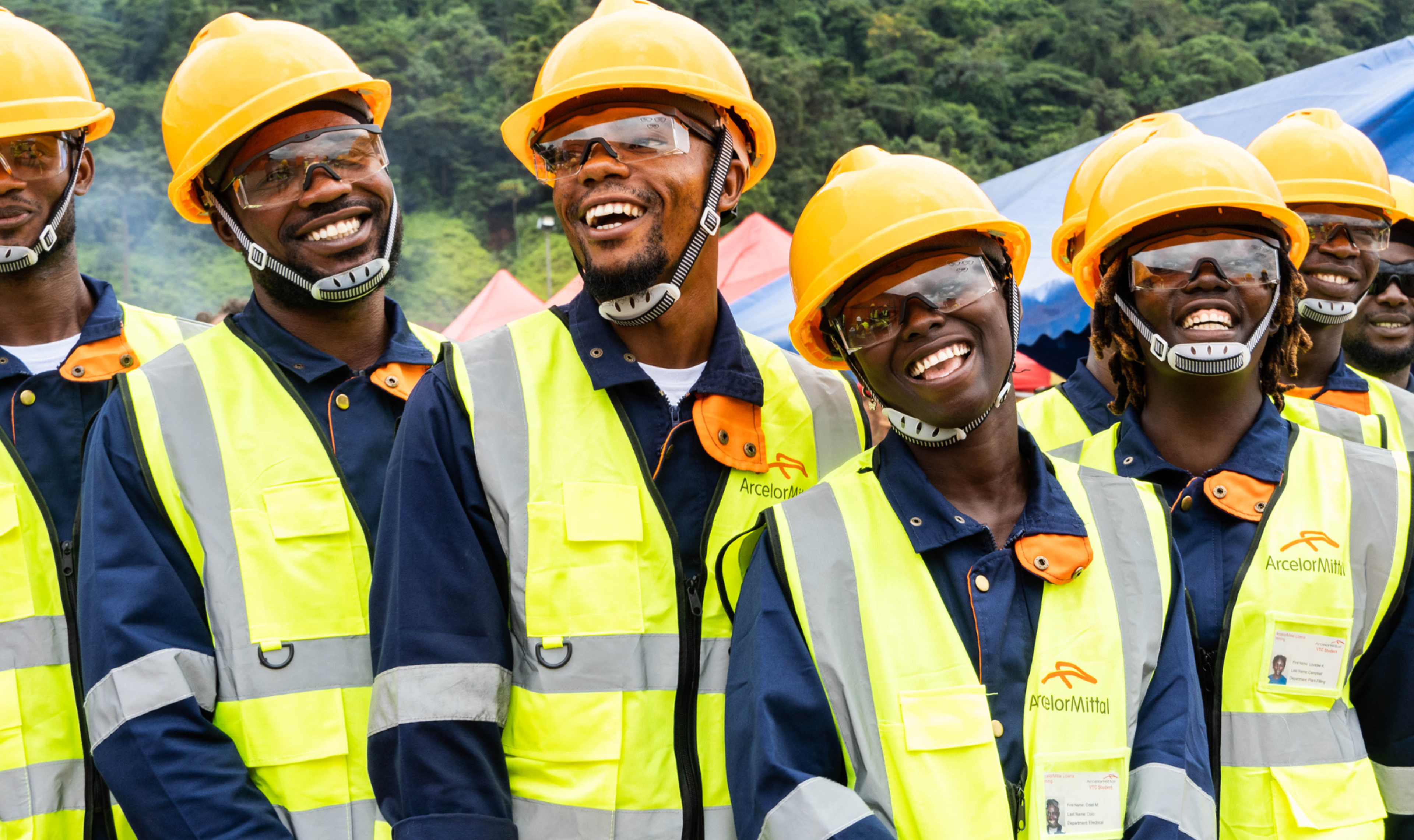
ArcelorMittal continued to strengthen its people driven culture in 2025, with a clear focus on leadership, talent development and workforce capability. Significant investment in learning supported leadership progression, internal mobility and the continued embedding of strong safety leadership behaviours, while large scale upskilling programmes - including AI readiness training - helped equip employees to navigate a fast changing industrial environment. The Group also maintained strong support for employees affected by conflict, including initiatives to reintegrate Ukrainian veterans, for which it was awarded a World Steel Association Steelie award.
Innovation remains central to how ArcelorMittal creates value while improving its environmental performance. In 2025, the Company invested US$300 million in R&D, launching 38 new products and solutions to support sustainable construction, energy systems, mobility and infrastructure - including Helioroof®, which integrates steel roofing and solar generation, and next generation materials for electric mobility that are lighter, stronger and more efficient. These advances were complemented by strengthened environmental governance, AI enabled monitoring and targeted capital investment, delivering continued long term improvements across key environmental indicators and supporting more resilient, circular and efficient operations.
Explore the key chapters within the sustainability report